Voices of the Void



Advertisement


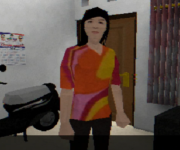
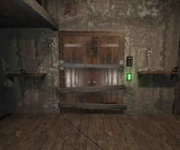
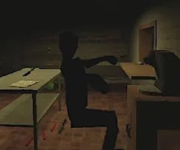
Voices of the Void places the player in an isolated research station deep in the mountains, where the main responsibility is to monitor incoming radio transmissions from space. The character works alone, surrounded by antennas, servers, and outdated equipment that must be maintained to keep the observatory operational. Each day is structured around collecting data, sorting signals, and ensuring that the research workflow continues without interruption. Over time, the player notices irregularities in transmissions and unusual behavior in the environment, forcing closer attention to every task.
Research Workflow And Station Duties
Daily activity revolves around scanning frequencies and processing whatever signals the observatory receives. Some transmissions contain recognizable patterns, while others appear random or distorted. To maintain the research station, the player repairs malfunctioning servers, restarts systems, and travels between towers scattered around the area. Because the station includes multiple rooms with equipment, the player must monitor power, storage, and machine stability. These tasks form a foundation that slowly becomes more complex as new mechanics appear.
Core Gameplay Loop And Player Actions
During a typical session of Voices of the Void, the player may:
- analyze signals using various tools;
- perform maintenance on antennas and server racks;
- manage personal needs such as rest and food;
- travel across the region to inspect remote equipment;
- log discoveries for long-term research progression.
These activities build a routine that encourages careful planning and steady observation.
Environmental Shifts And Suspicious Activity
As days pass, transmissions begin to include sounds or patterns that do not match normal cosmic signals. Equipment behaves unexpectedly, requiring additional checks and repeated calibrations. While traveling outside, the player may encounter changes in the forest or differences in lighting that seem out of place. None of these elements disrupt the main workflow directly, but they alter the tone of exploration. The player must decide whether the anomalies are technical faults or signs of something approaching the station.
Long-Term Progression And Replay Value
Voices of the Void supports long-term play through gradual discovery. Signals vary widely, and some appear only under specific circumstances. The observatory contains hidden details that reveal themselves only after certain tasks or events occur. Because signal generation and environmental changes are influenced by time and chance, each new playthrough can present different findings. This combination of structured research tasks and unpredictable discoveries gives the game replay potential, encouraging players to return and uncover signals or events missed in earlier runs.