No, I’m Not a Human


Advertisement


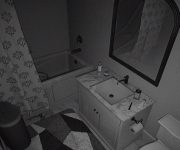
No, I’m Not a Human places the player inside a house that becomes a fragile refuge in a world transformed by a deadly phenomenon. Daytime is no longer safe, and nighttime brings visitors seeking protection. You are the only person inside the shelter, responsible for choosing who may enter. Each choice carries risk, because among the desperate survivors are beings that imitate humans with alarming accuracy. The game builds tension through quiet interactions, presenting each knock as a potential turning point.
Assessing Visitors And Interpreting Clues
Every evening begins with the sound of footsteps at the door. You must examine guests through the peephole or brief dialogue before making decisions. Not all information is reliable, and the details you observe may only partially match what you learned earlier. Some individuals behave strangely, while others seem ordinary but slightly “off.” These discrepancies form the core challenge. The game encourages the player to compare behavior, speech, and appearance with clues discovered during the day.
Choices That Shape Each Night
During each encounter, the player can question, observe, inspect, or choose to let someone pass without checking. Because each action consumes limited energy, you cannot investigate every guest thoroughly. This restriction forces prioritization and makes mistakes inevitable. You must balance caution with empathy, knowing that refusing a real human could doom them, while trusting a disguised intruder could end the run entirely.
A typical night might involve:
- reviewing small details the game provides about each visitor,
- deciding whether to spend energy on inspection,
- interpreting inconsistencies in appearance or dialogue,
- choosing whether to open the door or deny entry,
- dealing with outcomes that appear only after the decision is made.
This structure creates a loop where survival and responsibility intersect.
Atmosphere Built On Silence And Uncertainty
No, I’m Not a Human relies on minimalistic presentation to amplify anxiety. The house interior feels static, yet every noise carries weight. The outside world remains unseen but threatening, and the boundary between safety and danger is a thin door. The tension does not come from dramatic action but from anticipating what each visitor may represent. The emotional pressure grows as the night progresses, making every next knock harder to face.
Different Paths And Repetition With Variation
Because decisions affect both survival and story progression, the game supports multiple endings. Each run introduces new combinations of visitors and clues, encouraging repeated attempts to interpret patterns and refine judgment. Players who approach the game as a deduction challenge will discover different results depending on their strategy. No, I’m Not a Human blends survival mechanics with quiet psychological choices, creating an experience driven by observation, restraint, and the fear of being wrong.