Dead Plate



Advertisement


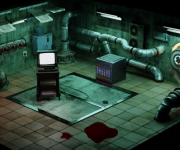
Dead Plate is a narrative-driven game that places the player in the role of Rody, a young waiter starting his first week at a French bistro in the 1960s. The story begins as a simple attempt to earn money before an important date, but each passing day reveals unusual situations inside the restaurant. Conversations, tasks, and small interactions shape Rody’s understanding of the workplace. What starts as a routine job gradually becomes a mystery involving the chef, the staff, and the unsettling atmosphere of the kitchen.
Daily Work And Early Routine
At the beginning of the game, the player focuses on performing regular restaurant duties. Customers arrive in waves, and each expects to be seated, served, and assisted in the correct order. Food must be delivered on time, tables must be cleared, and mistakes directly affect the progress of the shift. These early sections function as a management sequence designed to establish rhythm and challenge the player’s coordination. Despite the simple workflow, certain details hint that the bistro may hide more than it shows on the surface.
Player Actions And Core Structure
During a session of Dead Plate, the player may:
- serve dishes and follow customer requests;
- interact with characters to gather information;
- check different rooms of the restaurant;
- respond to dialogue choices that influence the story;
- uncover clues that explain the events of the week.
These actions guide the gameplay loop and slowly lead toward the central conflict.
Story Progression And Rising Tension
As the week advances, the restaurant environment changes. The chef becomes more demanding, coworkers offer cryptic comments, and Rody begins encountering unusual scenes that disrupt the routine. Night sequences and character interactions reveal fragments of the plot that challenge the player’s expectations. Some choices open new dialogue paths, while others limit options for the remaining days. Step by step, the line between ordinary work and hidden danger becomes unclear, and the player must decide how much to trust the people around them.
Endings And Long-Term Engagement
Dead Plate includes several outcomes based on decisions made during key moments. Finishing the story once unlocks opportunities to revisit earlier choices and examine alternate developments. The short length of each playthrough encourages experimentation, allowing players to understand how specific actions influence the final result. The combination of simple restaurant tasks and narrative tension creates a structure in which practical gameplay and story discovery develop in parallel, giving the game replay value beyond a single ending.